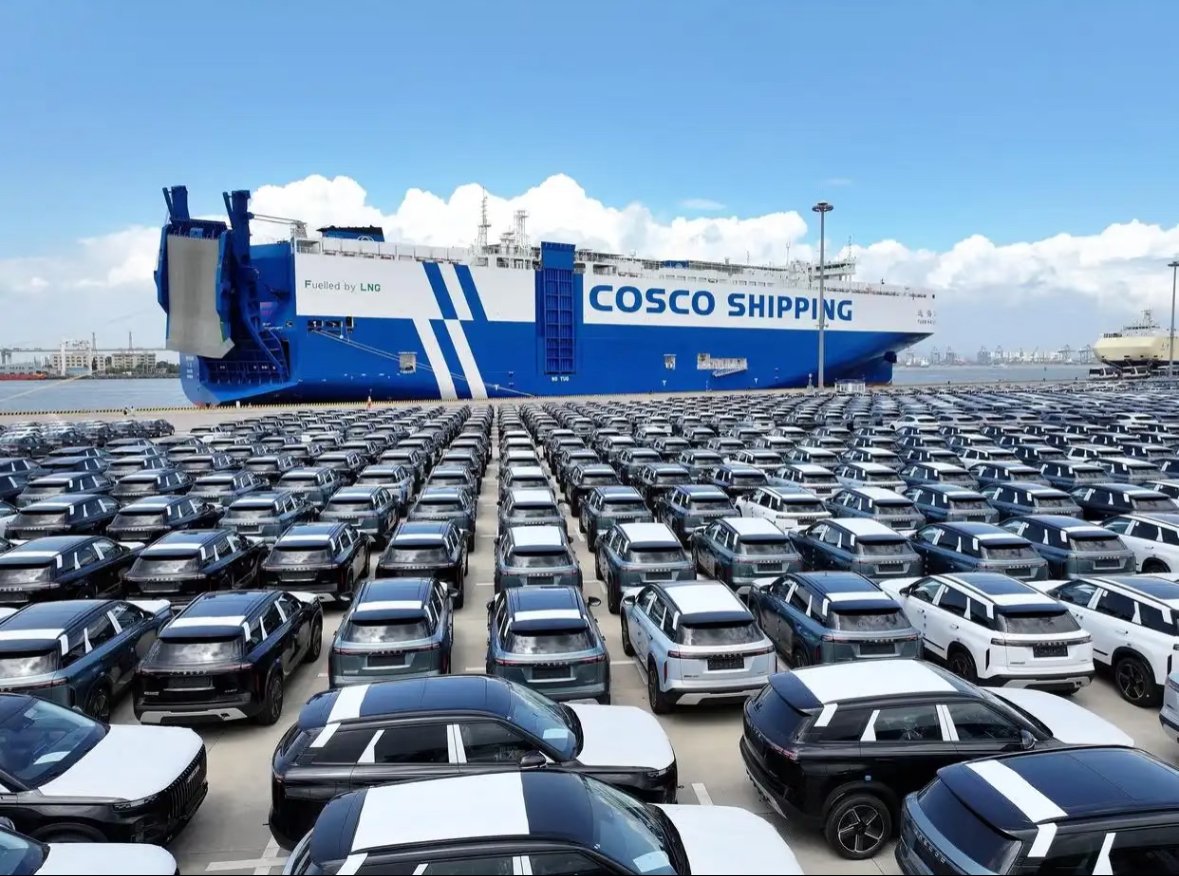
As the strategic trade hub of West Africa’s Economic Community of West African States (ECOWAS), Ghana stands apart from other African automotive markets as one of the most accessible, high-growth destinations for Chinese vehicle exporters in 2026. With annual vehicle imports exceeding 100,000 units — 90% of which are used vehicles — Ghana offers a dual opportunity: a robust domestic market for affordable Chinese fuel-efficient cars, pickups, and new energy vehicles (NEVs), plus seamless access to 14 neighboring ECOWAS countries via cross-border trade. Leading Chinese brands including Great Wall, Chery, and BYD have already captured double-digit market share, with EV adoption accelerating rapidly under Ghana’s 8-year import duty waiver for electric vehicles and components.
Unlike heavily regulated North African markets, Ghana maintains a transparent, digitized import framework via its Integrated Customs Management System (ICUMS) — but success still hinges on strict adherence to 2026’s updated regulatory rules from both Chinese and Ghanaian authorities. This guide, built exclusively for Bymotorcar’s exporter audience [Insert Internal Link to Homepage/Services], avoids generic advice and delivers a Ghana-specific, actionable roadmap. We’ll break down the week-by-week workflow to export cars from China to Ghana 2026, split responsibilities between Chinese exporters and Ghanaian importers, provide a stage-by-stage documentation checklist, and highlight the unique pitfalls that derail first-time exporters.
2026 Rules to Export Cars from China to Ghana: Non-Negotiable Baselines
Before drafting a sales contract or booking a shipment, you must align with the hard regulatory boundaries set by both Chinese and Ghanaian authorities in 2026. These non-negotiable rules apply to both new and used vehicle exports, and non-compliance will result in rejected customs declarations, cargo detention, or forced re-export.
China’s 2026 Export Regulatory Updates
- Mandatory Export License for Pure Electric Passenger Vehicles: Per Ministry of Commerce Announcement No. 54 of 2025 (effective January 1, 2026), all pure electric passenger vehicles require a dedicated export license. Only the vehicle’s original manufacturer or its officially authorized distributors are eligible to apply.
- Used Car Export Filing Qualification Rule: The old “pilot” system was abolished in 2024. Today, any Chinese enterprise that meets the Ministry of Commerce’s (MOFCOM) baseline requirements and successfully completes the nationwide used car export filing system [Insert External Link to MOFCOM policy] can legally export vehicles.
- 180-Day New Registration Rule: For vehicles exported within 180 days of their initial registration in China, you must submit an official After-Sales Maintenance Service Confirmation Letter issued by the vehicle manufacturer.
- Lithium Battery Transport Compliance: For all EV exports, on-board lithium battery packs require a valid UN38.3 Test Report and Material Safety Data Sheet (MSDS).
Ghana’s 2026 Import Eligibility Red Lines
- Strict Vehicle Age Limit (Hard Ban): All used passenger vehicles must be a maximum of 10 years from their date of manufacture. This is a hard red line. Vehicles exceeding this limit are strictly prohibited from entry.
- Emission & Steering Rules: All fuel-powered vehicles must meet a minimum Euro II emission standard. Left-hand drive (LHD) vehicles are mandatory. Ghana strictly prohibits the importation of right-hand drive (RHD) passenger vehicles.
- 2026 Tax Updates: Effective January 1, 2026, Ghana’s standard VAT for vehicle imports is set at 15%. Import duty is tiered by engine capacity: 5% for ≤1.5L, 10% for 1.5L-3.0L, and 20% for >3.0L.
- EV Incentives: Ghana maintains an 8-year import duty waiver for fully electric vehicles and EV components, making Chinese EVs highly competitive.
Dual-Track Compliance for Exporting Vehicles from China to Ghana
Ghana’s import rules differ significantly for new and used vehicles. Below is the dedicated compliance framework for each category to ensure you avoid missteps before you export cars from China to Ghana.
For Brand-New Vehicle Exports
- Authorization Requirement: You must hold a valid distribution authorization letter from the vehicle manufacturer.
- Type Approval: Vehicles must meet Ghana Standards Authority (GSA) technical standards [Insert External Link to GSA], verified via the mandatory COC certification process.
- EV-Specific Rule: Fully electric vehicles require a technical specification sheet confirming the vehicle is 100% electric to claim the duty waiver.
For Used Vehicle Exports
- Official Export Filing Qualification: Your Chinese entity must be officially registered in the MOFCOM nationwide filing system.
- Vehicle Traceability: Every used vehicle must have a complete, unbroken ownership history in China. A vehicle deregistration certificate is mandatory.
- Mandatory Pre-Export Inspection: Every used vehicle must pass a technical inspection from a China-accredited third-party agency.
Step-by-Step Workflow to Export Cars from China to Ghana 2026
This workflow clearly defines which tasks fall to the Chinese exporter and which are the responsibility of the Ghanaian importer, with a realistic timeline for a standard 35-45 day transit from China’s core Ro-Ro ports to Tema, Ghana [Insert Internal Link to Shipping/Ro-Ro Services].
Pre-Shipment Phase (Weeks 8-4 Before Loading)
| Timeline | Chinese Exporter Responsibilities | Ghanaian Importer Responsibilities |
| Week 8 | Finalize vehicle inventory, confirm LHD and 10-year limits; verify national export filing. | Engage a licensed local customs clearing agent. |
| Week 7 | Draft sales contract; prepare technical specs. | Obtain the Import Declaration Form (IDF) via ICUMS [Insert External Link to GRA ICUMS]. |
| Week 6 | Initiate COC certificate application; submit IDF. | Secure payment terms and foreign exchange approval. |
| Week 5 | Schedule Pre-Shipment Inspection (PSI) for all vehicles. | Apply for required specific permits. |
| Week 4 | Receive valid COC certificate; apply for EV export license if applicable. | Finalize ICUMS pre-declaration preparations. |
Loading & Export Declaration Phase (Weeks 3-1 Before Loading)
| Timeline | Chinese Exporter Responsibilities | Ghanaian Importer Responsibilities |
| Week 3 | Book Ro-Ro or container shipping. | Share final consignee details. |
| Week 2 | Prepare export documentation; complete loading. | Verify the Bill of Lading draft for accuracy. |
| Week 1 | Complete China customs export declaration. | Obtain validated ECTN/SPN and mark on Bill of Lading. |
Post-Arrival Clearance Phase
| Timeline | Chinese Exporter Responsibilities | Ghanaian Importer Responsibilities |
| Arrival | Provide requested documentation. | Submit full document set via ICUMS; pay duties. |
| Post-Clearance | Confirm delivery; follow up on after-sales. | Receive release order; complete local DVLA registration. |
Mandatory Documentation to Export Cars from China to Ghana
Missing or inconsistent documentation is the #1 cause of customs delays in Ghana.
Pre-Shipment & China Export Documents:
- Valid Import Declaration Form (IDF) with UCR number
- Final, valid COC Certificate (with PSI completed)
- Validated ECTN/SPN Certificate (obtained before vessel departure)
- UN38.3 Test Report and MSDS (for EV lithium batteries)
- Commercial Invoice & Detailed Packing List
- Export License (for pure EVs) or Used Car Export Certificate
- Vehicle Deregistration Certificate (for used vehicles)
Ghana Import Clearance Documents:
- Original Bill of Lading
- Customs Classification and Valuation Report (CCVR)
- Importer’s TIN / GhanaCard PIN
- EV technical specification sheet (for duty waiver claims)
Top Pitfalls When You Export Cars from China to Ghana
Avoid these critical errors to ensure a smooth, profitable shipment:
- Miscalculating the Vehicle Age Limit: Ghana’s 10-year limit is calculated from the date of manufacture, not the date of first registration.
- Assuming RHD Cars Can Be Converted at Port: This is entirely illegal for passenger vehicles in 2026. Ghana Customs will seize the vehicle.
- Ignoring ICUMS Pre-Declaration: Waiting until the vessel docks to start the declaration process results in costly demurrage fees.
- Underdeclaring Vehicle Value: Ghana Customs uses a global database to verify vehicle market values. Underdeclaring results in forced revaluation and fines.
FAQs: How to Export Cars from China to Ghana 2026
Q1: Can I export used cars from China to Ghana commercially in 2026?
Yes — provided you are a legally registered Chinese enterprise that has completed the MOFCOM nationwide used car export filing. The vehicle must be LHD and meet Ghana’s strict 10-year age limit.
Q2: Do electric vehicles really qualify for duty-free import to Ghana?
Fully electric vehicles qualify for an 8-year import duty waiver, eliminating the 5-20% base import duty. Standard VAT (15%) and levies still apply for private EVs.
Q3: Can I clear a vehicle in Ghana without a local clearing agent?
Technically yes, if you register as an official agent with the Ghana Revenue Authority. However, for 99% of exporters, a licensed local agent is the only practical way.
Final Notes for Exporters
Ghana’s 2026 automotive market offers unmatched opportunities for Chinese exporters. Success depends on strict adherence to the 2026 regulatory rules and thorough preparation. For end-to-end support with your export strategy — including COC certification, freight forwarding, and local agent connections — contact the Bymotorcar team [Insert Internal Link to Contact Page] today to execute a seamless shipment.
Relevant Products:bymotorcar.com/product/