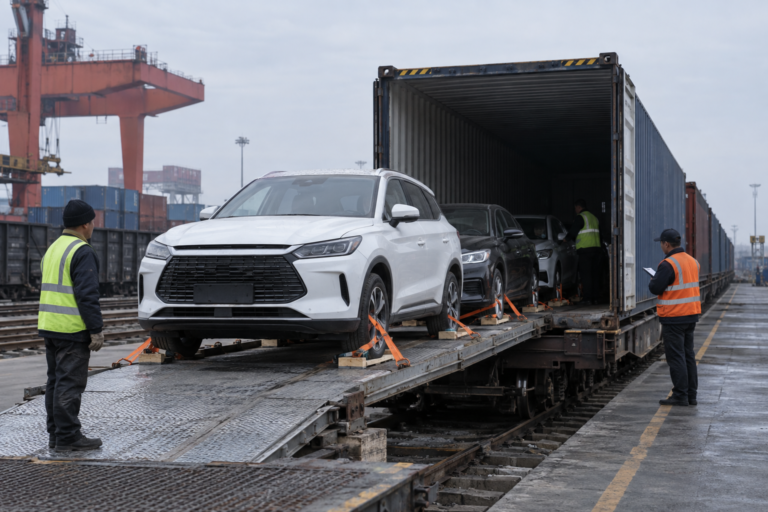

The Nigerian automotive landscape is undergoing a massive shift. As Africa’s largest economy grapples with economic transitions, highly competitive Chinese vehicles—from fuel-efficient Internal Combustion Engine (ICE) cars to the latest New Energy Vehicles (NEVs) by brands like Changan, Geely, GAC, and BYD—are rapidly dominating Nigerian roads.
However, importing Completely Built Units (CBUs) into Nigeria is not for the faint-hearted. The regulatory environment and foreign exchange policies are incredibly dynamic. To succeed in 2026, importers must navigate a strict matrix of Nigerian customs protocols and central bank mandates. Failure to comply with current regulations doesn’t just mean delays; it means catastrophic demurrage costs or cargo forfeiture.
Here is your comprehensive, up-to-date guide on how to securely, legally, and profitably import Chinese vehicles into Nigeria.
1. The 2026 Policy Landscape: What Importers MUST Know
Before initiating any transaction, you must align your strategy with the current regulatory frameworks in both countries. Operating on outdated assumptions is the leading cause of failed imports.
A. Nigeria’s Current Import Regulations (Strict Compliance Required)
The Nigerian government has tightened its grip on import compliance and revenue collection. You must strictly adhere to the following 2026 realities:
The Automated VIN Valuation System: The Nigeria Customs Service (NCS) now relies entirely on the Vehicle Identification Number (VIN) Valuation system. Manual duty negotiation is dead. The system automatically generates standardized import duties and levies based on the vehicle’s VIN. Any attempt to under-declare will trigger immediate red flags and severe penalties.
CBN FX Floating & Customs Duty Rate: Following the floating of the Naira, the Central Bank of Nigeria (CBN) frequently adjusts the exchange rate used for clearing goods at the ports. Importers must monitor the official customs FX portal daily, as the duty calculated at the time of order may change significantly by the time the vessel arrives at the Apapa or Tin Can Island ports.
Mandatory Left-Hand Drive (LHD): It remains strictly illegal to import Right-Hand Drive (RHD) vehicles into Nigeria.Age Limits (For Used Vehicles): While this guide focuses on new CBUs, note that if you are importing used vehicles, Nigerian law strictly prohibits passenger cars older than 15 years from the date of manufacture.
B. China’s Export Environment
The Chinese government continues to incentivize vehicle exports, particularly NEVs. Importers can benefit from optimized Ro-Ro (Roll-on/Roll-off) shipping routes, and increasingly, containerized auto shipping to bypass Ro-Ro vessel shortages. Chinese OEMs are also being encouraged to support their African buyers with better localized after-sales support.
2. The Step-by-Step Import Process (Standard Operating Procedure)
Successfully moving a Chinese vehicle from a port in Shanghai or Guangzhou to a showroom in Lagos requires meticulous execution of the following steps:
Step 1: Sourcing and Proforma Invoice (PI)
Engage a verified Chinese OEM or authorized export agent. Ensure the vehicle specs are tailored for the Nigerian market (LHD, tropicalized AC, heavy-duty suspension). Secure a detailed Proforma Invoice (PI) that clearly lists the VIN, engine number, year of manufacture, and exact shipping terms (FOB or CIF).
Step 2: The SONCAP Certification (Crucial)
You cannot ship a vehicle to Nigeria without compliance from the Standards Organisation of Nigeria (SON).
The Chinese supplier must obtain a Product Certificate (PC) from an authorized testing firm in China.
Before shipment, the supplier must apply for the SONCAP Certificate (SC). Warning: Shipping without an SC means your vehicle will not be cleared.
Step 3: Opening Form M and Securing PAAR
This is the most critical financial and regulatory hurdle specific to Nigeria:
Form M: Armed with the PI, a local Nigerian Marine Insurance certificate, and the SONCAP PC, the importer applies for an e-Form M via the CBN’s single-window trade portal through an authorized commercial bank.
PAAR (Pre-Arrival Assessment Report): Once the vehicle is shipped, the Chinese supplier sends the final shipping documents (Bill of Lading, Commercial Invoice, Packing List) to the Nigerian bank. The bank then processes the PAAR with Customs. Customs uses the PAAR to finalize the duty assessment.
Step 4: Freight and Logistics
Choose between Ro-Ro (traditional and often cheaper for vehicles, but prone to vessel delays) or Containerized shipping (safer and sometimes faster if Ro-Ro space is tight).
Step 5: Port Clearance in Nigeria
Upon the vessel’s arrival at a Lagos port, a licensed Nigerian Customs Clearing Agent takes over. They will log into the customs portal, input the VIN, generate the duty assessment based on the current day’s CBN FX rate, and facilitate the payment of Import Duty, Surcharge, VAT, and ECOWAS Levy before the vehicle is released.
3. The Ultimate 2026 Document Checklist
Missing a single document will cause port congestion and massive daily demurrage fees. Ensure you have the following ready:
Commercial Invoice (Must match the PI exactly)
Packing List
Bill of Lading (B/L)
Approved e-Form M
Valid PAAR
SONCAP Certificate (SC)
Certificate of Origin / CCVO (Combined Certificate of Value and Origin)
Local Marine Insurance Certificate (Issued by a Nigerian insurance firm)
4. Expert Advice for Importer
Build an FX Buffer: Because the CBN customs clearing exchange rate fluctuates, always calculate your landed cost with a 15-20% financial buffer to absorb potential exchange rate spikes while the vehicle is on the water.
Double-Check VIN Accuracy: If the VIN on your Bill of Lading differs by even one digit from the physical car, the automated customs system will reject it, leading to a bureaucratic nightmare.
Invest in Spare Parts: The biggest barrier to Chinese car adoption in Nigeria is the fear of poor aftermarket support. Importers who bundle fast-moving spare parts (filters, brake pads, bumpers) with their CBU shipments gain a massive competitive advantage.Hire Top-Tier Clearing Agents: Navigating Nigerian ports requires deep local expertise. Do not skimp on your clearing agent; a well-connected agent saves you money by preventing delays.
Conclusion Importing Chinese vehicles into Nigeria in 2026 is a highly lucrative venture for those who respect the rules of the game. By mastering the VIN valuation system, staying ahead of CBN’s FX policies, and ensuring flawless documentation, you can turn regulatory hurdles into a formidable barrier to entry for your competitors.
Learn More:https://www.cadcc.com.cn/article/2989.html