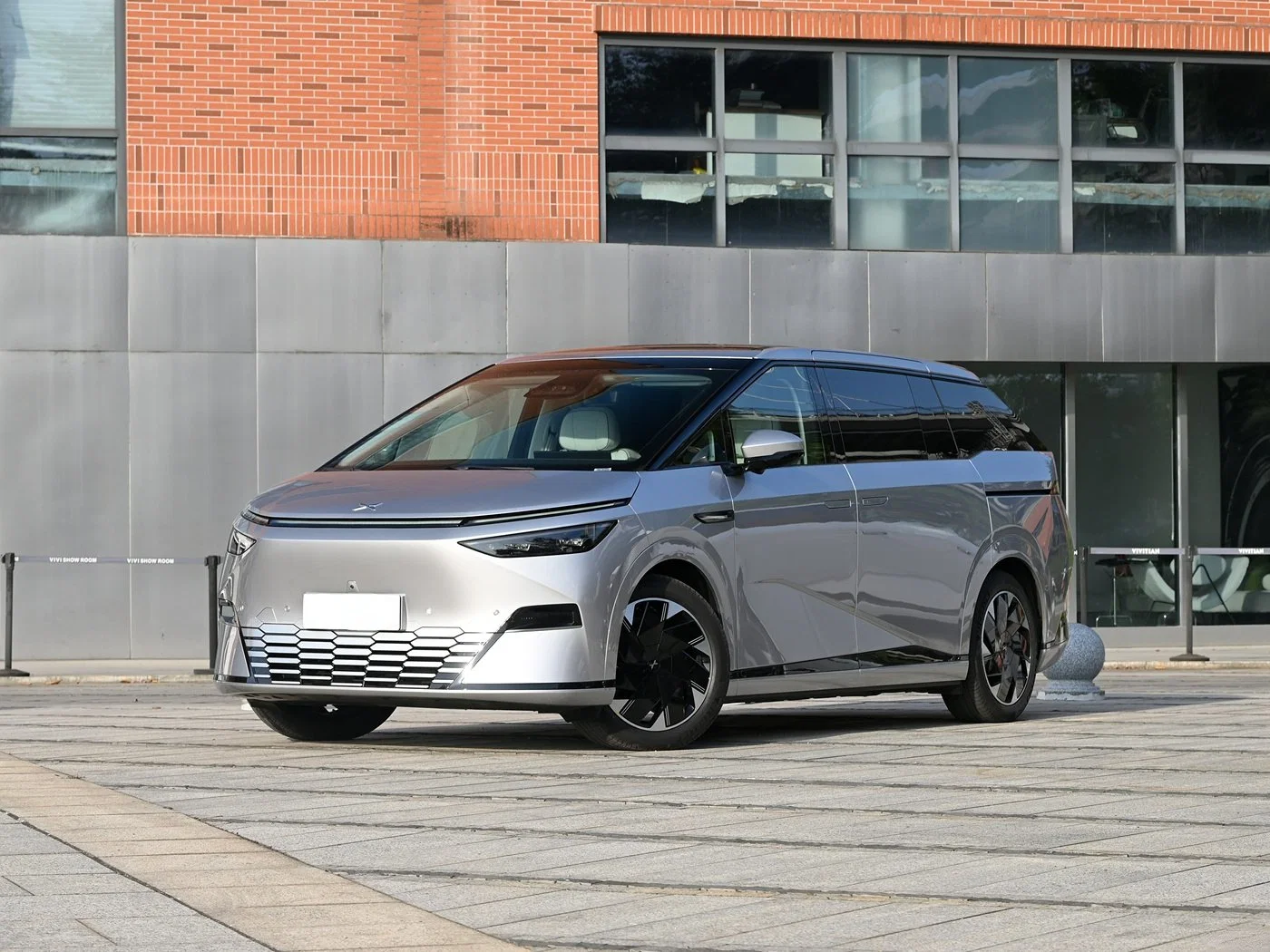
2026 XPeng X9 China-Market BEV and EREV Version Comparison| Specification | 1602 Max EREV | 1602 Ultra SE / Ultra EREV | 665 / 650 Pure EV Route | 750 Ultra Pure EV | 710 AWD Ultra Pure EV |
|---|
| Official China price | RMB 309,800 | RMB 321,800 / 329,800 | RMB 309,800 / 321,800 / 329,800 | RMB 349,800 | RMB 369,800 |
| Estimated FOB China reference | from about US$48,500 | final quote depends on energy route, production month, battery, color, stock location and export preparation |
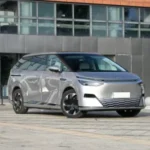
| Vehicle type | large 7-seat new-energy MPV with dual sliding doors |
| Length × width × height | 5316 × 1988 × 1785 mm |
| Wheelbase | 3160 mm |
| Seat layout | 7 seats, family / executive MPV layout |
| Energy type | EREV | EREV | BEV | BEV | BEV |
| CLTC combined / EV range | 1602 km combined / 452 km pure EV | 1602 km combined / 452 km pure EV | 665 km or 650 km CLTC reference | 750 km CLTC reference | 710 km CLTC reference |
| Battery capacity | 63.3 kWh | 63.3 kWh | 94.8 kWh reference | 110 kWh reference | 110 kWh reference |
| Battery chemistry | LFP | LFP | LFP reference | ternary lithium reference | ternary lithium reference |
| Charging platform | 800V high-voltage platform and 5C fast-charging route; overseas result depends on charger compatibility |
| EREV fast-charge reference | 10%-80% from about 11.7 min | 10%-80% from about 11.7 min | pure EV route requires exact battery and charging-port confirmation |
| Range extender | 1.5T generator, 85 kW generation reference | same | not applicable | not applicable | not applicable |
| Fuel tank / fuel grade | 60 L / 92# and above | 60 L / 92# and above | not applicable |
| Drive system | single-motor RWD | single-motor RWD | single-motor FWD reference | single-motor FWD reference | dual-motor AWD |
| Output reference | 210 kW / 465 N.m | 210 kW / 465 N.m | 235 kW / 450 N.m | 235 kW / 450 N.m | 370 kW / 640 N.m reference |
| 0-100 km/h | 8.0 s | 8.0 s | about 7.7 s reference | about 7.7 s reference | about 5.9 s reference |
| Chassis | front double-wishbone / rear H-arm multi-link, all-aluminum chassis, dual-chamber air suspension |
| Rear-wheel steering | active rear-wheel steering, 5.4 m minimum turning radius reference |
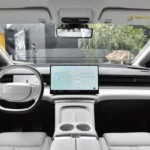
| Cabin screens | 10.25-inch instrument screen, 17.3-inch center screen, 21.4-inch family entertainment screen reference |
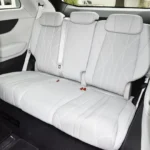
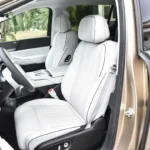
| Seat value | Nappa route, second-row zero-gravity seats, 180 mm aisle, electric third-row folding and heating functions by trim |
| Smart-driving chip route | 1 Turing AI chip / 750 TOPS | 2-3 Turing AI chips / up to 2250 TOPS | pure EV chip count should be verified by exact trim and production month |
| Safety | 9 airbags, high-strength steel-aluminum body, battery protection design, active safety functions by trim |
| Export reading | best weak-charging-market anchor | best cabin + intelligence route | cleaner EV stock if charging is solved | long-range EV retail route | performance route, not usually first FOB anchor |
FOB price reading: the lowest China guide price starts at RMB 309,800 for both the EREV 1602 Max and the pure EV 665 Max route. A practical public FOB China reference can start from about US$48,500, but the buyer must confirm whether the quote is BEV or EREV before comparing prices.
The 2026 XPeng X9 is not just an electric MPV with a longer range number. For export buyers, the difficult part is that the same X9 name now covers two different procurement promises: a pure EV seven-seat MPV for markets with reliable high-power charging, and a Super EREV seven-seat MPV for buyers who want electric daily driving without depending fully on charging infrastructure.
That is why this page should not copy the structure of an XPeng P7 sedan page. The X9 is bought for family and executive movement: sliding doors, second-row comfort, third-row usability, rear-wheel steering, air suspension, charging or fuel backup, and whether the destination market can support the software and service expectations around a China-spec smart MPV. For current XPeng export stock from China, the first question is energy route, not horsepower.
One X9 Name, Two Export Promises
The EREV X9 is the easier story for countries where charging is still uneven. Its 63.3 kWh LFP battery gives a 452 km CLTC pure-electric reference, while the range extender and 60 L fuel tank create a 1602 km CLTC combined-range claim. That does not make it a petrol MPV; it is still a high-voltage vehicle with a large battery, 800V hardware and smart energy management. But it gives importers a more flexible explanation for long-distance family use.
The pure EV X9 is cleaner when the buyer already understands charger standards, DC power limits and EV service planning. The 665 / 650 route can be enough for many fleets. The 750 Ultra is the stronger range story. The 710 AWD Ultra is a performance version, but for most B2B pages it should not be the first FOB anchor because the extra price is harder to recover in markets that mainly want comfortable seven-seat transport.
The EREV Version Solves Charging Anxiety, but Adds Fuel-Side Evidence
The 1602 Max should be treated as the public low-price anchor because it carries the core X9 body, the 7-seat MPV layout, the 800V / 5C battery route, rear-wheel steering and the main comfort package. It is suitable for buyers who want the X9 cabin without paying for the highest smart-driving hardware.
The Ultra SE and Ultra trims are more suitable when the buyer is paying for visible intelligence and cabin value. Turing AI chip count, effective compute, VLA capability, Nappa / seat package, sound system and rear entertainment features all need trim-level confirmation. Those details photograph well, but they also increase the need to verify the exact production month and software availability.
For EREV stock, the export evidence should include more than battery range. The quote should show whether the vehicle is a 1602 Max, 1602 Ultra SE or 1602 Ultra, and should verify the fuel filler location, 92# fuel compatibility, extender information, nameplate, battery data and charging interface. This is the difference between selling a real EREV MPV and only selling a high range number.
The Pure EV Route Is Strongest When Charging Standards Are Settled
The pure EV X9 has a cleaner ownership story if the destination market already supports high-power charging and proper EV service. The highest CLTC range reaches 750 km, and the platform is built around 800V and 5C fast-charging capability. In a market with good charging, that can make the EV route more attractive than the EREV because there is no range extender, fuel system or engine-maintenance discussion.
The risk is that China-spec charging claims do not automatically travel with the car. Buyers need to confirm charging port type, adapter strategy, destination charger voltage and power, local homologation, battery warranty expectations and whether XPeng App / OTA / map services can be used normally. The vehicle hardware is impressive; the overseas charging experience still depends on local infrastructure.
Rear-Wheel Steering Matters More Than Acceleration
The X9 is over 5.3 meters long and nearly 2 meters wide. On paper, the AWD version's acceleration is attractive, but in real family or hotel-shuttle use, rear-wheel steering and air suspension matter more. A 5.4 m turning-radius reference changes how the X9 feels in underground parking, hotel entrances, narrow residential roads and airport pickup lanes.
This is one reason the X9 can be positioned differently from gasoline MPVs and older seven-seat vans. It is not only a cabin-on-wheels product; the chassis hardware is part of the selling point. Active rear-wheel steering, dual-chamber air suspension, 6D anti-carsickness logic and an electric third-row folding route make the car more convincing for family-business mixed use than a normal spec sheet would suggest.
Production Month Is a Real Export Check on This Model
For X9, production date should be visible before payment. XPeng announced a recall in China covering 33,473 X9 vehicles produced from August 8, 2023 to August 11, 2025 because of front air-spring airtightness risk. That does not mean every 2026 X9 export vehicle is affected, but it means older inventory, display cars or early-production cars should not be bought only from a model-year title.
The practical export rule is simple: if the vehicle has air suspension, confirm production date, VIN, service-campaign status and whether improved front air-spring parts are already installed when relevant. This point is especially important for hot or humid destination markets where air-suspension issues would become expensive and visible after resale.
Which X9 Should Be Quoted First?
For most public product pages, the safest price anchor is the 1602 Max EREV or the 665 Max pure EV because both begin at RMB 309,800. The choice depends on the buyer's charging reality. If the market has weak DC charging or the buyer wants one family car for city and long-distance use, the EREV route is easier to explain. If the destination already accepts electric MPVs and charging is clear, the pure EV route keeps the story cleaner.
The 750 Ultra should be quoted when the buyer specifically asks for long pure-electric range. The 710 AWD Ultra should be treated as a specialist version for buyers who want performance and the highest configuration route, not as the normal wholesale starting point. The official reference for the current China-market model is the 2026 XPeng X9 official page, but the export quote should always be built from the physical vehicle evidence, not only the brochure name.