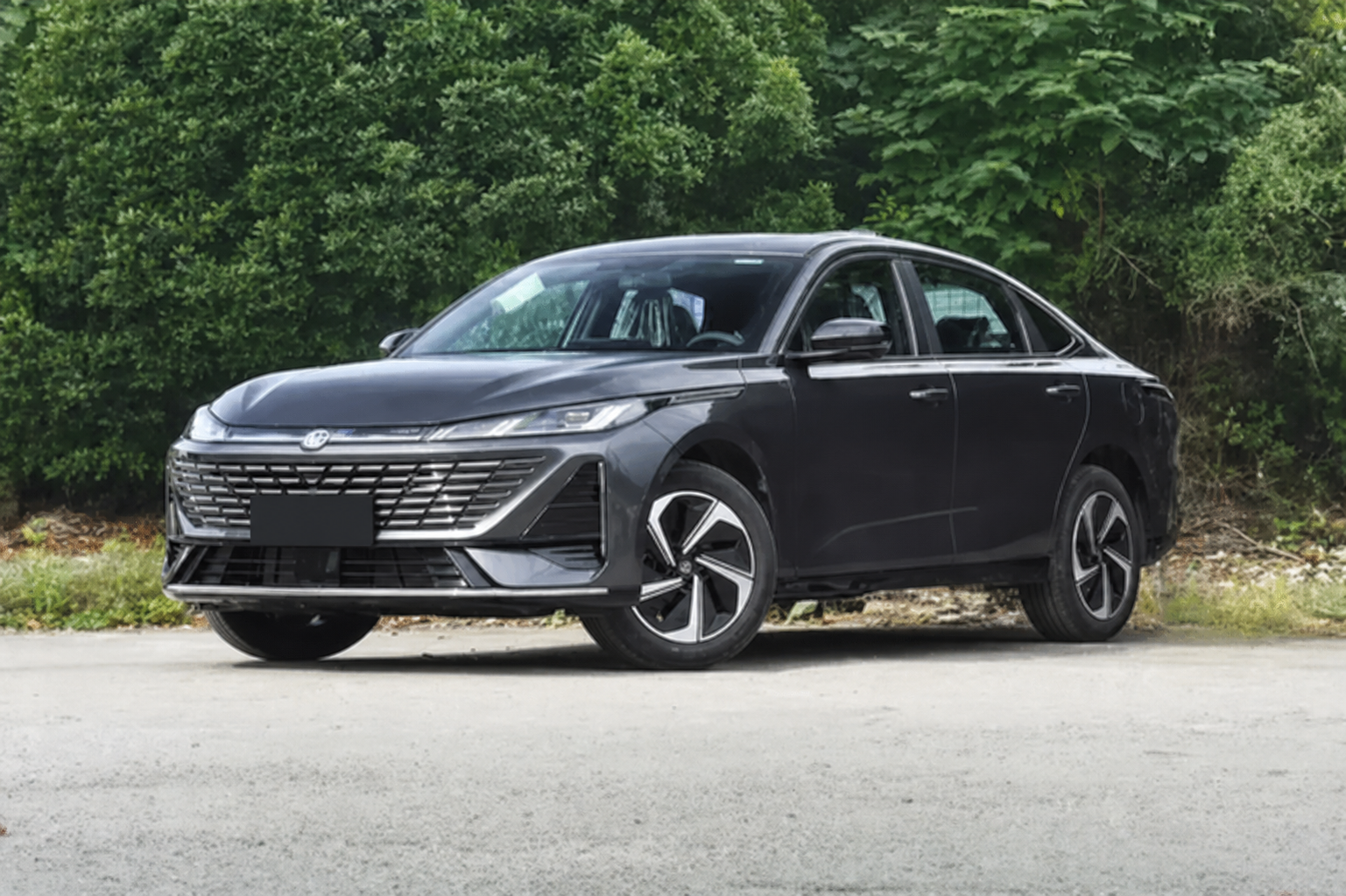
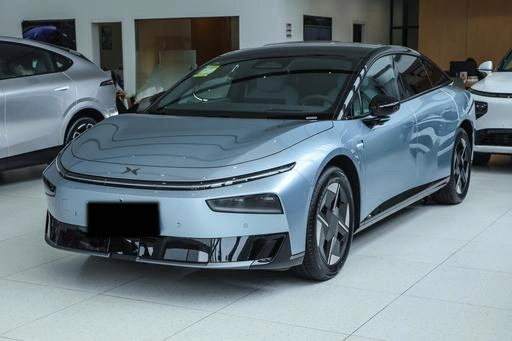
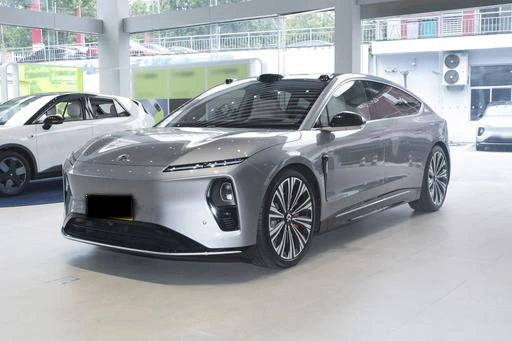
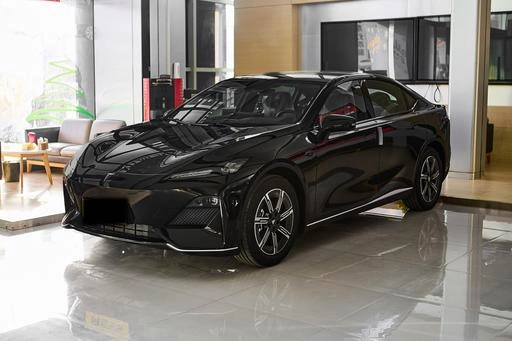
2026 Changan Eado Fourth-Generation China-Market Versions
| Specification | 1.5T Value | 1.5T Comfort | 1.5T Intelligent | Hybrid Value | Hybrid Comfort | Hybrid Intelligent |
|---|
| China guide price | RMB 87,900 | RMB 93,900 | RMB 99,900 | RMB 89,900 | RMB 93,900 | RMB 99,900 |
| Launch-period hybrid price | not applicable | RMB 79,900 | RMB 83,900 | RMB 89,900 |
| Estimated lowest FOB reference | From approximately US$12,800 | confirm by exact vehicle, mileage status, color and export-document readiness |
| Vehicle generation | fourth-generation China-market Changan Eado |
| Body style | four-door, five-seat compact sedan |
| Steering position | left-hand drive |
| Powertrain type | turbocharged gasoline | self-charging full hybrid; no external charging required |
| Engine | 1.5-litre turbocharged direct-injection gasoline engine | 1.5-litre naturally aspirated hybrid gasoline engine |
| Fuel-injection system | 500-bar high-pressure direct injection | hybrid-optimized engine management |
| Engine maximum power | 141 kW | 72 kW |
| Engine maximum torque | 310 N·m | 125 N·m |
| Electric motor | not applicable | front electric motor, maximum power 160 kW |
| Electric-motor torque | not applicable | 251 N·m |
| Hybrid battery | not applicable | approximately 1.7 kWh ternary-lithium battery |
| Transmission | seven-speed wet dual-clutch transmission | single-speed dedicated hybrid transmission |
| Drive system | front-wheel drive |
| Acceleration from 0 to 100 km/h | approximately 8.1 seconds | approximately 7.56 seconds |
| Maximum speed | 210 km/h | confirm by final homologated vehicle |
| Official combined fuel use | approximately 6.2 L/100 km under the international harmonized cycle | approximately 3.98 L/100 km under the international harmonized cycle |
| Urban hybrid test result | not applicable | as low as approximately 2.98 L/100 km in Changan’s city test |
| Required gasoline | RON 92 or higher |
| Fuel-tank capacity | 51 litres | approximately 53 litres |
| Length × width × height | 4,785 × 1,840 × 1,440 mm | 4,785 × 1,840 × 1,460 mm |
| Wheelbase | 2,765 mm |
| Luggage capacity | approximately 520 litres |
| Front suspension | independent MacPherson suspension |
| Rear suspension | torsion-beam suspension |
| Wheel-size route | smaller comfort-oriented wheels | typically 17-inch wheels | up to 18-inch wheels | smaller comfort-oriented wheels | typically 17-inch wheels | up to 18-inch wheels |
| Six airbags | standard across the fourth-generation range |
| Surround-view camera | high-definition 540-degree viewing system listed across the fourth-generation range |
| Adaptive cruise and automatic emergency braking | limited entry equipment | included | included | limited entry equipment | included | included |
| Blind-spot and rear cross-traffic functions | not included | limited | included | not included | limited | included |
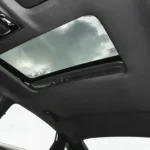
| Panoramic roof | not included | not included | included | not included | not included | included |
| Best matched use | lowest acquisition cost and strong turbo performance | best gasoline balance of driver assistance, comfort and price | maximum gasoline equipment rather than additional power | lowest-cost self-charging hybrid for congested city use | hybrid efficiency with the most useful daily safety equipment | hybrid economy with the full driver-assistance and comfort package |
Estimated lowest FOB price: from approximately US$12,800.
This reference applies to an available unregistered fourth-generation 1.5T Value vehicle. It does not refer to older Eado Plus stock, registered low-mileage vehicles or the separate 2026 Classic version. Final pricing depends on color, production date, inland transport and export-document status.
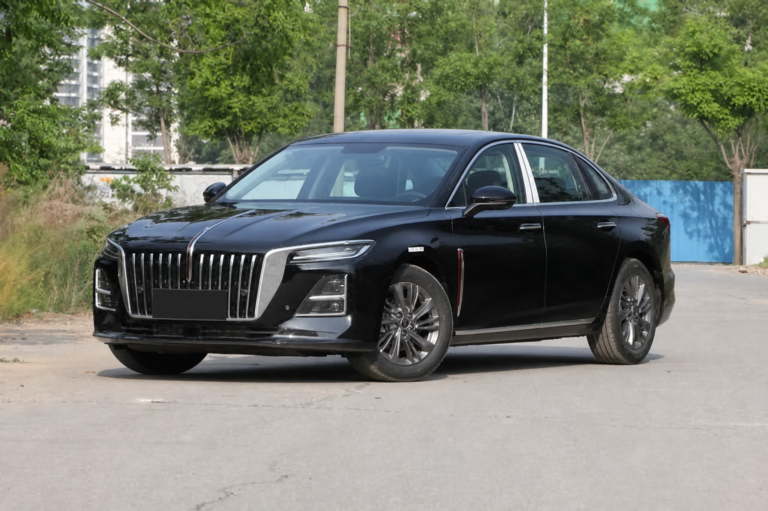
The 2026 Changan Eado is no longer a single powertrain with three simple equipment levels. The fourth-generation sedan can now be ordered with a 141 kW turbocharged engine and seven-speed dual-clutch transmission or as a self-charging hybrid driven primarily by a 160 kW electric motor.
The gasoline and hybrid ranges are priced unusually close together. At guide-price level, the hybrid costs only RMB 2,000 more in the lowest version, while the middle and upper versions carry the same guide prices as their 1.5T equivalents. The decision therefore depends more on the route and driving character than on the purchase-price ladder.
A 2026 Eado quotation may describe a different generation
China-market listings currently place several vehicles under the 2026 Eado name. They include the fourth-generation 1.5T sedan, the newer self-charging hybrid, a separate Classic version and remaining Eado Plus derivatives.
The fourth-generation vehicle on this page is identified by its 4,785 mm length, 2,765 mm wheelbase and new 1.5T engine producing 141 kW and 310 N·m. Its hybrid counterpart keeps the same wheelbase but combines a naturally aspirated engine with a 160 kW electric motor and a single-speed hybrid transmission.
Official Eado Plus models in overseas markets may follow another specification. Depending on the country, the name can refer to a 1.4T sedan measuring 4,730 mm in length or a locally configured 1.5T model with different output, infotainment and safety equipment.
A buyer should therefore match the dimensions, engine output and transmission before comparing prices. A model year, Eado badge and five-seat sedan body are not enough to confirm that two quotations cover the same vehicle.
The hybrid does not automatically replace the 1.5T version
The 1.5T Eado is the more direct performance choice. Its 141 kW engine and 310 N·m output suit drivers who regularly use faster roads and prefer conventional turbocharged acceleration. It can also be the simpler procurement route in markets where hybrid diagnostic support remains limited.
The self-charging hybrid is not a plug-in vehicle. Its small battery is charged through the engine and energy recovery, so it does not require a charging station or a change to the buyer’s parking arrangements.
Its strongest advantage appears in repeated starts, low-speed traffic and urban braking. Changan reported city fuel use as low as 2.98 L/100 km, while the published combined-cycle reference is approximately 3.98 L/100 km.
By comparison, owners of the 1.5T fourth-generation car have reported approximately 4–5 L/100 km on steady highway journeys, around 6.1 L/100 km in mixed use and closer to 7 L/100 km in congested city driving. These are individual results rather than guaranteed figures, but they explain why the hybrid saves the most fuel for a buyer who spends substantial time in urban traffic.
Low-speed response is a more useful distinction than acceleration figures
The gasoline model uses a seven-speed wet dual-clutch transmission. Owners generally describe the power as strong, but some have noticed occasional hesitation or a small shift disturbance when moving away in slow traffic.
This does not make the gasoline version unsuitable for city driving. A smoother accelerator input and the wet-clutch design keep normal use manageable, while its engine remains stronger than most value sedans in the same price range.
The hybrid avoids a conventional sequence of seven gear changes. Its single-speed dedicated transmission and electric-motor response are better matched to repeated stop-and-go driving and to buyers who place smooth low-speed behavior above the sound and response of the turbocharged engine.
For predominantly open-road operation, the difference becomes smaller. The gasoline model can already return economical highway consumption, while the hybrid’s largest efficiency advantage is concentrated in the conditions where it can recover energy and use the electric motor most frequently.
The middle trim is the clearest everyday specification
The lowest versions protect the acquisition price, but the middle Comfort specification adds the equipment most likely to matter every day: adaptive cruise control, forward-collision warning, automatic emergency braking and a broader cabin package.
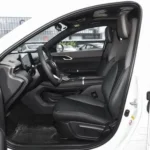
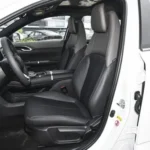
The upper Intelligent version adds blind-spot functions, rear cross-traffic assistance, a panoramic roof, wireless phone charging and further convenience equipment. It does not increase engine power, hybrid output or basic passenger space.
For markets with uneven roads, the middle trim also has a practical chassis advantage. Owners using 17-inch wheels have described acceptable filtering over broken surfaces, while separate reports note that tire and wind noise become more noticeable at highway speed.
The upper trim’s larger wheel and additional equipment should therefore be selected for the full comfort and assistance package, not because it is mechanically faster. A buyer prioritizing tire cost, pothole tolerance and a balanced specification may find the middle gasoline or middle hybrid version more coherent.
Technical features of the fourth-generation sedan are shown on the official Changan Eado page. Other models from the manufacturer are listed in the Changan vehicle category.